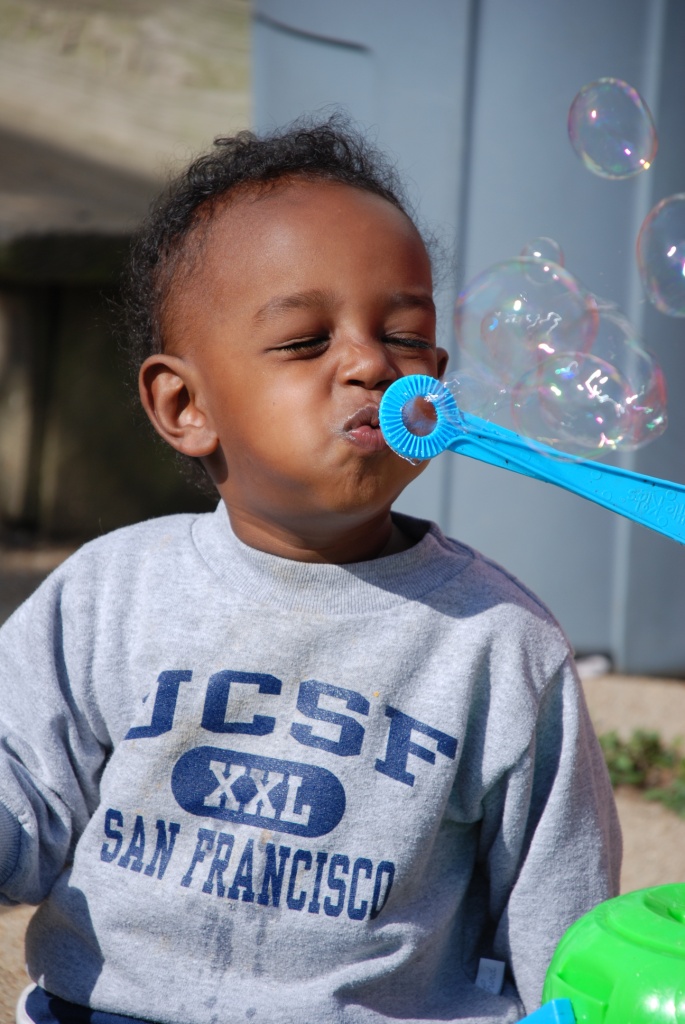
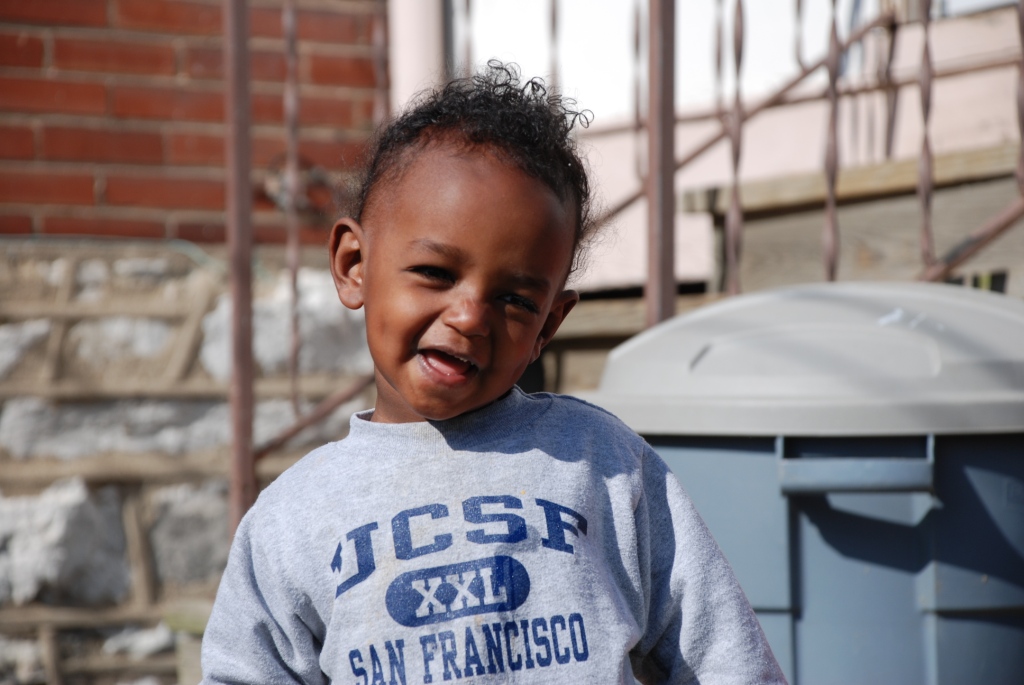
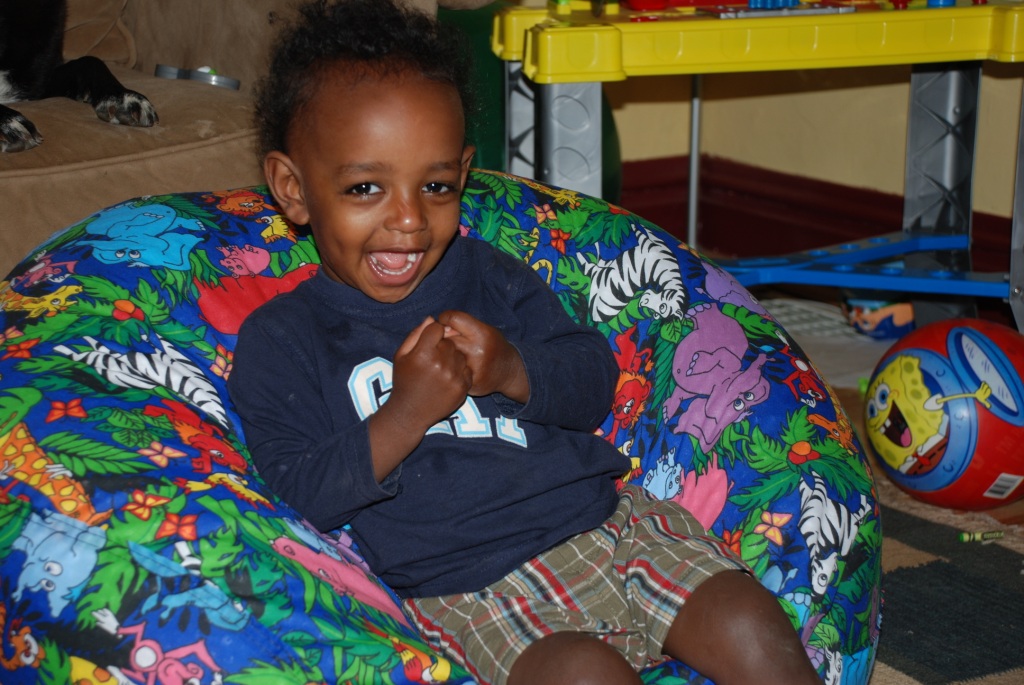
Being an Adoptive Parent (AP) is not always easy. I think a lot more about the types of experiences that I give my son and worry that his world is too white. I keep telling myself that I need to find diverse places to take him so that he isn’t always the only child of color in the room. I struggle with that, especially where I live, because our city is pretty segregated not just by skin color but also by socio-economic status (SES). I have worried for many a day and night that I was not doing right by my son, because most of his interaction are with white kids and white adults. But I have to admit that that is his world and I can’t change his world.
I have had a change of heart/intellect/outlook. A few weeks ago in my social justice class we had an amazing speaker come and share his heartbreaking story with us. He is a gay man who lived his first 50 years of life as a straight man. He finally couldn’t take it anymore and came out to his wife and then had to come out to his two children–I think they were like 8 and 12 or something at the time. He talked about how hard it was for his older daughter and how it was less difficult for his younger daughter. His younger daughter had a support group at her elementary school for children who were suffering a divorce in the family and in this group his daughter found a companion/friend whose parents were also divorcing because her father was also gay. She had someone who was going through the exact same thing that she was.
His older daughter didn’t have such a support group nor did she know anyone whose parents separated because one of them came out. It was very hard on his older daughter–she attempted suicide at 17 and struggled with it until she was a freshman in college and met a girls whose mother was gay. She found a friend who could understand how she felt and what she struggled with. His daughters now go with him when he speaks (if they can) and they have a really strong relationship. I cried in the car on the way home, thankful that we live in a world that is more tolerant and open and people have more opportunity to be who they are, but I also cried because I learned an immensely important lesson that will benefit my children for the rest of their lives.
My son doesn’t need other black friends. He needs other black friends whose parent are white. And ideally, he needs others adopted from Ethiopia who have white parents. He needs those who he can identify with. He will not necessarily identify with American blacks that live with their black parents/grandparents. Their struggles are not his (aside that he will be identified as an American black) and his struggles were certainly not be theirs. This made things so much clearer for me and cemented my desire to stay in close contact with his Wannamates and their families and also all the families in my area who have and are adopting for Ethiopia. It is so important that we provide our adopted children of color with others who are the “same” as them. So, for those of you out there who worry that your community doesn’t have much diversity, don’t worry as much–find a family or two who also have adopted from Ethiopia and begin to build bonds and relationships–your children will thank you as they get older.
It isn’t about looking the same–its about sharing an experience–having a commonality. That is what I have to give my son and daughter. Thank you to those of you who are part of this shared experience of our children.
On a side note, I am going to start a new weekly posting here on Thursday. Called Ordinary Life Thursday. I am basing this on the book…Encyclopedia of An Ordinary Life. It is a hilarious book about the ordinary events of everyday life. It is a writing exercise for myself and something to help me post more often. So what I need from you dear readers are a list of ordinary places/events/words. I will start with the letter A. Please leave your words in my comments and if I use yours there will be prizes….






 Embracing Imperfection