On the big yahoo group for Ethiopian adoption there is a current discussion going on about the future of Ethiopian adoption as well as the current state of affairs. The discussion started with the posting of this article (it also provides a review of other articles all on Ethiopian adoption). With the new trends in Ethiopia adoption law–limiting singles, new travel regulations, etc. I know that the Ethiopian government is concerned about the possibility of corruption and certainly does not want to close it’s doors to adoption, but they also seem to want to regain control over the runaway train that has become Ethiopian adoption.
When we started our adoption for Noah in 2005/2006 there were only 5 agencies licensed to work in Ethiopia. There are now around 25. That is a lot of growth for a small program in such a short amount of time. It use to be a requirement (I am pretty sure) that all agencies placing children run their own care center where they care for the children they are going to place. I know this is the case for my agency and also for some of the longer standing agencies. Any time you have adoption, I think it behooves us to look at circumstance. I have posted about this often-that here in America we rarely question how someone received their adopted child or why someone choose to give their baby for adoption.
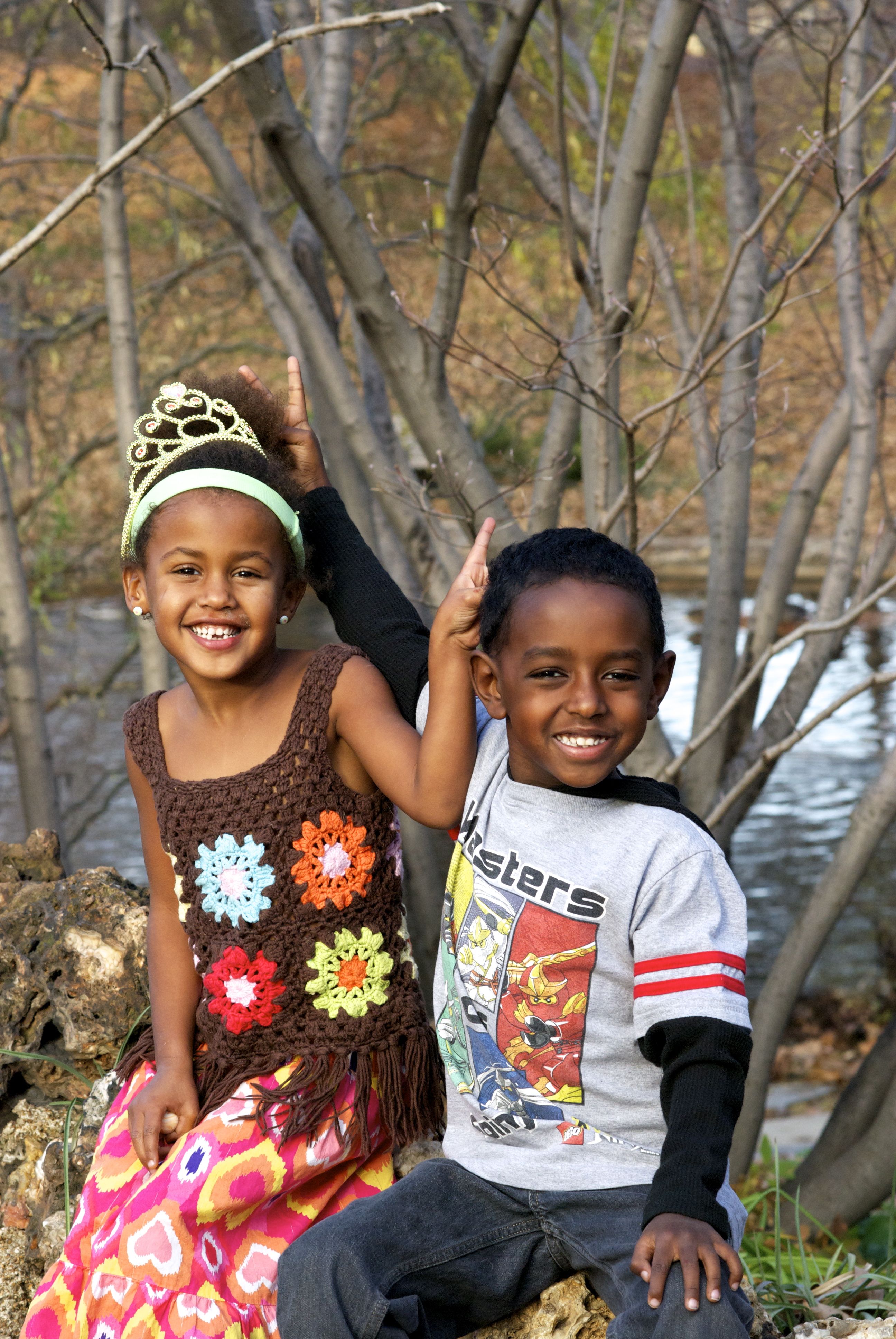
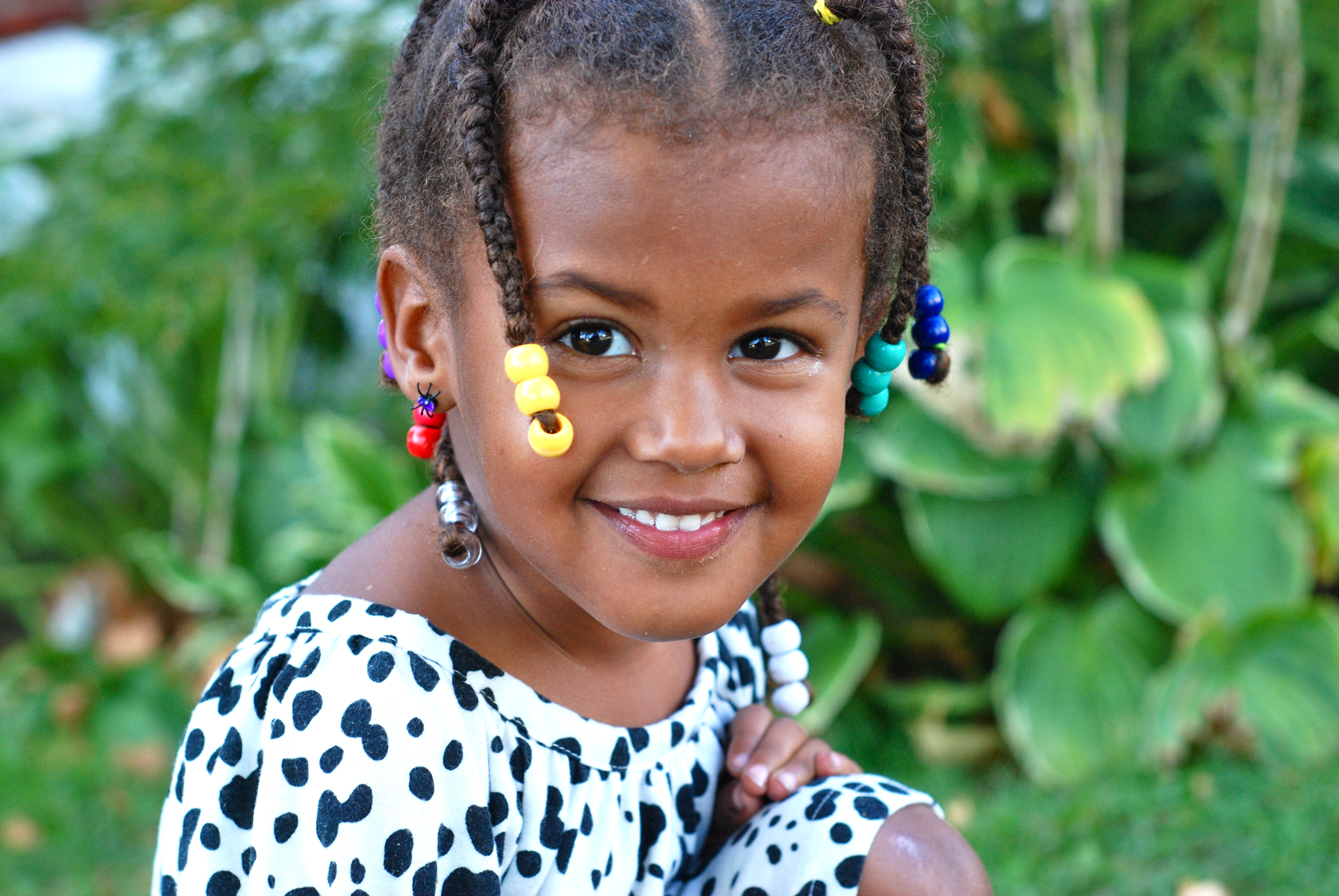
On the big yahoo board there have been many people whom say this comparison is like comparing apples and oranges. I don’t know that I agree. The situations are different but the idea behind it just the same. People give up their children for a multitude of reasons and this is not different for Ethiopia. I am sad that my childrens’ birth parents for their own reasons could not see a way to keep their babies. I am sad that my son and daughter will live their life with unanswered questions about their heritage, but I also know that they are orphans and that they were not stolen from their parents nor were their birth mother enticed by my agency or one of it’s representatives. This information if not for public viewing but I know and my kids will some day know.
To say that there is corruption in the Ethiopia adoption system is a tough call. Are there agencies that are as scrupulous as others? Yes and I think we have read about some of those situations. Then there is the question of demand and supply. I have a hard time believing (and this could be my own naivete) that agencies seek out children/babies. Really, they go “shopping” at various orphanages? I don’t like to think about that. I only have my own agency to go by and I know that they don’t seek out babies–I know that our director would prefer not to do any infant adoptions but knows that to remain a viable agency and to help older children–which is my agencies goal–they must also facilitate and complete infant adoptions. My agencies does not take in infants who have bee relinquished by two parents. The great majority of babies they place are abandoned babies. They also give back greatly to Ethiopia and do a great deal of humanitarian work and work hard to place every child that comes through their door–the will not separate sibling groups and they are upfront about how long it will really take.
As adoptive parents we can’t lose sight of what it all means. We can’t get mad or frustrated if it takes months to be matched with a child. That is a good thing. Every child we adopt represents a birth family that is no longer in tact. It represents tragedy, loss, and suffering. These are not things we should wish for. Yes, I requested an infant for our first two adoptions–open to gender and then a girl. Infants need homes too and we shouldn’t restrict people from requesting age ranges that fit into their lives, families and homes. But we must remember that in order for us to adopt them–someone else has to feel hopeless, someone else has to die, etc. So, if it takes too long–deal with it. Celebrate all those moments when children get to stay with their first families.
One of the problems with Ethiopian system is that it is not centralized like China’s program is. There isn’t a central authority that handles referrals–this is partly because there really are no government run orphanages in the country. There isn’t the big institutionalized system in place like there is in China. As adoptive parents we need to be advocates for our children and their birthplace. It is our responsibility to make sure we are using agencies that are ethical and humanitarian. It is important to use agencies that treat their employees well and pay a fair living wage and help the employees further their lives if they want.
Another thing I want to address that people might not know. There is no money paid to the Ethiopian government. All money paid to an agency stays with that agency–that is why fees vary from agency to agency. The government receives no monetary incentives to continue allowing us to complete adoptions from their country. Adoption is an option because we live in an unfair world were the playing fields are far from level and where there are people who really don’t have options. Money will not fix their problems (people have suggested using the money for adoptions to give to families to keep them together). There needs to be systematic reform and infrastructure in place to allow for education and advancement opportunities. There need to be farm subsidies for poor farmers–so they can afford fertilizer and seed–just like we allow our farmers here.
There is much that has to been done and adoption doesn’t necessarily hinder or help on a grand scale. But it does help the child who is placed with a family–because every child deserves to be loved and to be part of a family.
Thanks for reading if you still are and I know that this jumped around a bit and that I didn’t address everything I need to…more later.
 Embracing Imperfection